
Key Takeaways:
- 2.52M+ impressions across 27 premium digital screens
- Programmatic activation for real-time optimization during the 13-day campaign
- Reached high-value audiences including travellers, commuters, and professionals
- Targeted locations during key travel and transit moments for maximum impact
A global luxury hotel in Sydney recently ran a two‑week digital out‑of‑home (DOOH) campaign and demonstrated something important: when you use the right screens in the right locations, everyday journeys can become valuable opportunities to connect with travellers and commuters. The campaign ran across 27 screens and built a strong presence as people moved through the city. This case study explores how the audience is divided by lifestyle, age, and gender, and why this approach matters for brands that want to use outdoor advertising in a smarter, more data‑driven way.
Why this Campaign Mattered
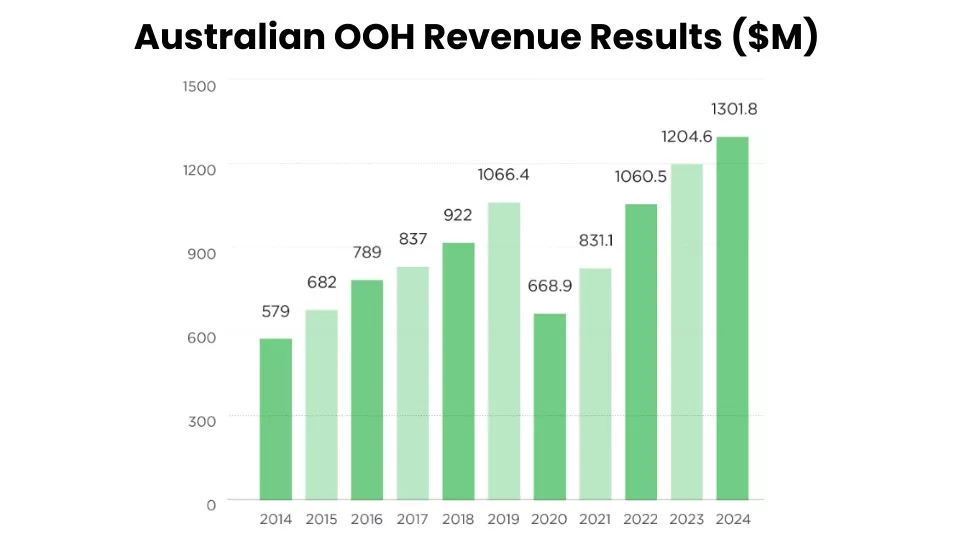
Australia’s outdoor advertising market is growing strongly, with out‑of‑home revenue reaching about $1.3 billion in 2024. It also remains one of the few channels that can still reach almost everyone: recent data shows that around 97% of Australians aged 14 and over see an outdoor ad each week, which is more than 22 million people, based on figures from the MOVE (Measurement of Outdoor Visibility and Exposure) audience system.
Situation
A global luxury hotel in Sydney wanted to reach travellers effectively as city mobility patterns shifted with new transport links and changing commute routines. The brand needed to connect with people actively travelling through the CBD and busy transit routes, at moments when travel decisions and bookings were most likely.
In a market where investment in digital out‑of‑home continues to grow, the hotel needed a smarter way to use screens. They wanted both reach at scale and clarity on who they were reaching, travellers, commuters, and professionals, and whether these audiences matched their ideal guest profile.
Key challenges
Changing mobility and travel flows
The city’s transport network has undergone major shifts, with new connections and more flexible work patterns when and where people travel. The hotel needed to reach travellers and urban explorers without relying on old “rush hour” patterns.
Standing out in a crowded city
With retail, entertainment, and travel brands all competing on the same streets and stations, being visible on a screen was no longer enough. The hotel needed a presence in premium locations where people actually pause and notice.
Moving beyond broad demographics
The hotel wanted to understand people’s daily routines and behaviours in detail and needed a way to actively connect real‑world locations with real‑world behaviour patterns.
Solution
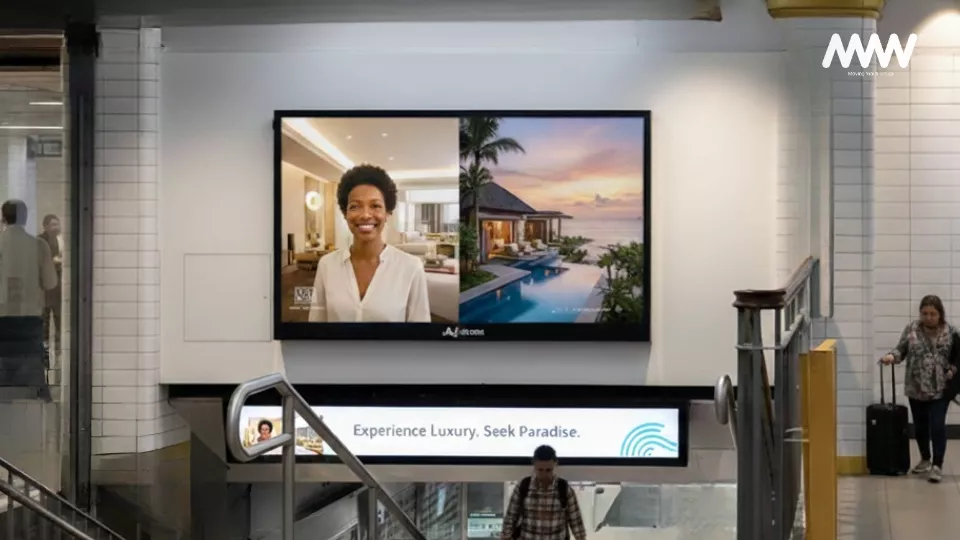
To solve this, the hotel activated a 13‑day, programmatic DOOH campaign across 27 premium digital screens in Sydney, focusing on locations where travellers, commuters, and shoppers naturally cross paths, so the campaign could meet people during real, everyday journeys rather than in isolated locations..
Smart audience planning
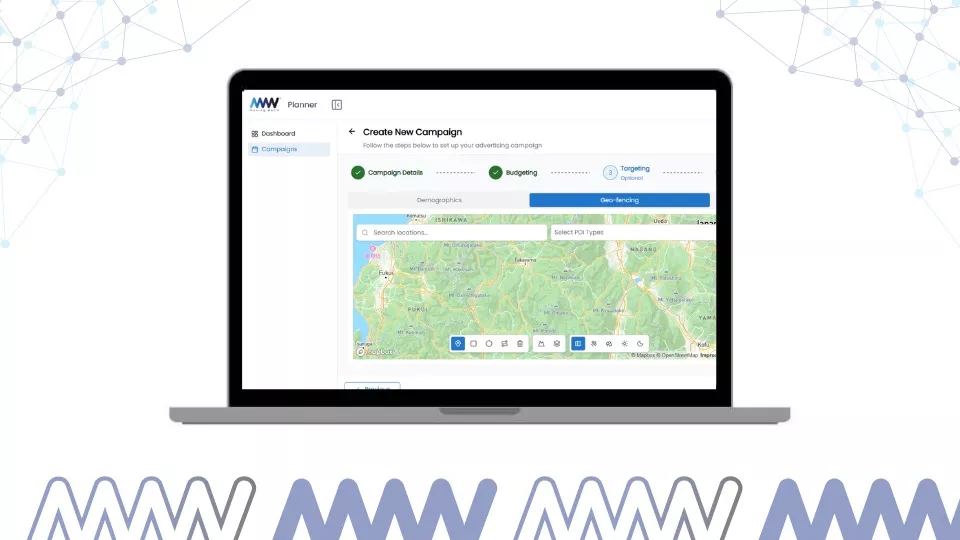
The smart audience plan used the Moving Walls Planner (previously known as MAX) and was based on how people actually move through the city. Planners analysed location behaviour, footfall, and key areas to choose screens where travel‑minded people were most likely to be, such as:
- CBDs and areas with a mix of hotels, offices, and entertainment
- Transit locations that reach people on their way to meetings, events, dinners, or nights out
This delivered a screen mix that reached domestic and international visitors, plus locals considering short leisure or business stays.
Programmatic activation
The buying and delivery were managed programmatically through Moving Walls Activate, giving the brand more control during the short campaign window. This setup allowed:
- Quick launch and the ability to adjust budgets and pacing within the 13‑day period
- Detailed reporting on impressions, plays, and unique reach for each screen group
The approach mirrors a broader trend where more advertisers use data‑enabled, automated tools to plan and run DOOH, especially when they want both reach and accountability in location‑based campaigns.
Lifestyle segments
The top lifestyle segment was “Travellers”, making up just over a third of the campaign audience.
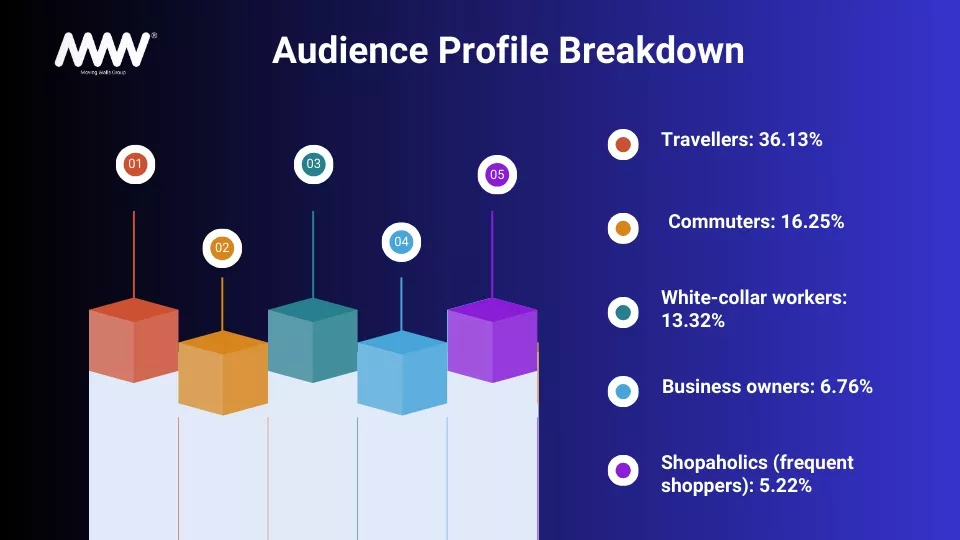
Travellers and commuters in this campaign are often in the mindset of planning regular trips and overnight stays, while white‑collar professionals and business owners are more likely to drive corporate bookings, meetings, and events. Together with frequent shoppers, these segments form a highly mobile, high‑value audience, exactly the kind of profile a luxury hotel wants to reach to encourage stays, upgrades, and repeat visits.
Gender distribution
The gender split for the campaign was almost even, with 46.8% of impressions delivered to women and 53.2% to men. This balance suggests the screens were placed in locations that naturally attract a wide mix of people, helping the anonymous hotel brand stay relevant for everything from business travel to family stays.
Age groups reached
The campaign achieved wide coverage across working‑age audiences:
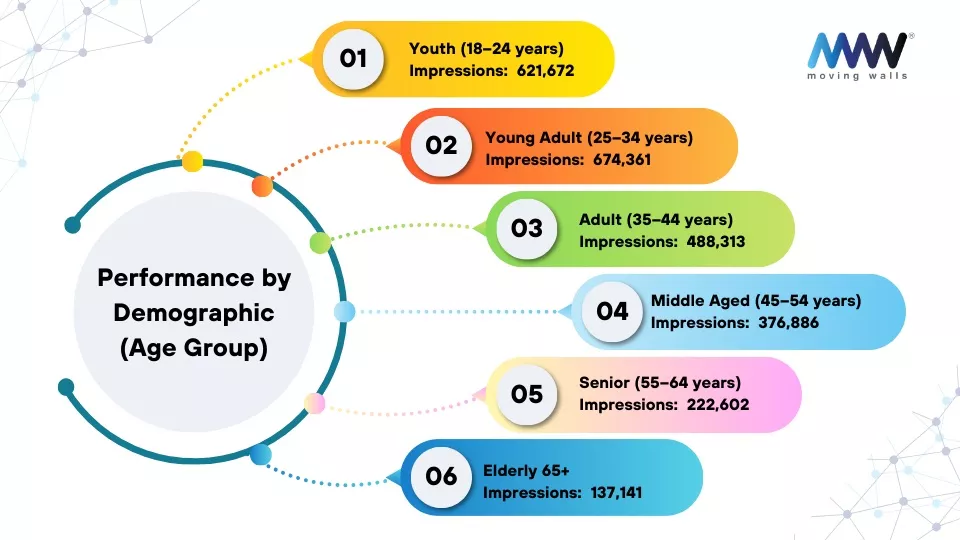
For a hotel brand, this means the campaign was speaking directly to core booking demographics, from digitally savvy younger travellers to established professionals with higher travel budgets.
Outcomes
Over the 13‑day flight, the hotel campaign:
- Reached 284,054 unique individuals across Sydney’s urban and transit environments
- Delivered 2,520,975 impressions through 77,240 ad plays, ensuring strong visibility and repeated exposure
- Target segments such as travellers, commuters, white‑collar professionals, and business owners, closely aligning media delivery with the brand’s ideal guest profile.
These outcomes show how digital out‑of‑home is evolving, driven by stronger audience insight and smarter location planning. For this campaign, DOOH proved it can go beyond visibility to reach the right people at the right time and deliver meaningful impact.
Key learnings for Brands
This case study offers clear takeaways for any brand considering programmatic DOOH:
- Plan around movement, not just media
Start with how people move through your city, which lines they ride, where they shop, where they work, and build screen plans from those flows. - Use audience layers beyond age and gender
Lifestyle and behavioural segments (traveller, commuter, shopper, professional) make it easier to link real‑world impressions to real business goals like bookings or store visits. - Combine urban and transit environments
City‑street and rail networks work together: one builds a broad lifestyle presence, the other drives frequency and dwell‑time exposure during commutes. - Embrace programmatic for flexibility
Programmatic DOOH offers the ability to launch quickly, monitor campaign performance and unify reporting with other digital channels.
Campaigns like this show how brands can move from simply “being on a screen” to truly owning high‑value moments along the journey.
Want to do the same for your brand? Partner with Moving Walls to turn real‑world movement into smart, measurable DOOH campaigns that follow your audience through their day and drive results that matter.